

Pintoricchio’s ‘Penelope with the Suitors’
Picture of the month July 2026
Why does 'The Odyssey' keep being retold? Dr Emily Hauser explores this 500-year-old painting which tells the entire epic in a single scene.
The story of The Odyssey has been retold for centuries, inspiring films, books and paintings. This work from 1509 offers an unmistakably Renaissance version of Homer’s ancient tale.
In ‘Penelope with the Suitors’, Italian artist Pintoricchio cleverly weaves the entire story into a single scene. Ancient historian and author Dr Emily Hauser explores this 500-year-old painting, uncovering the hidden details within it.
More like this
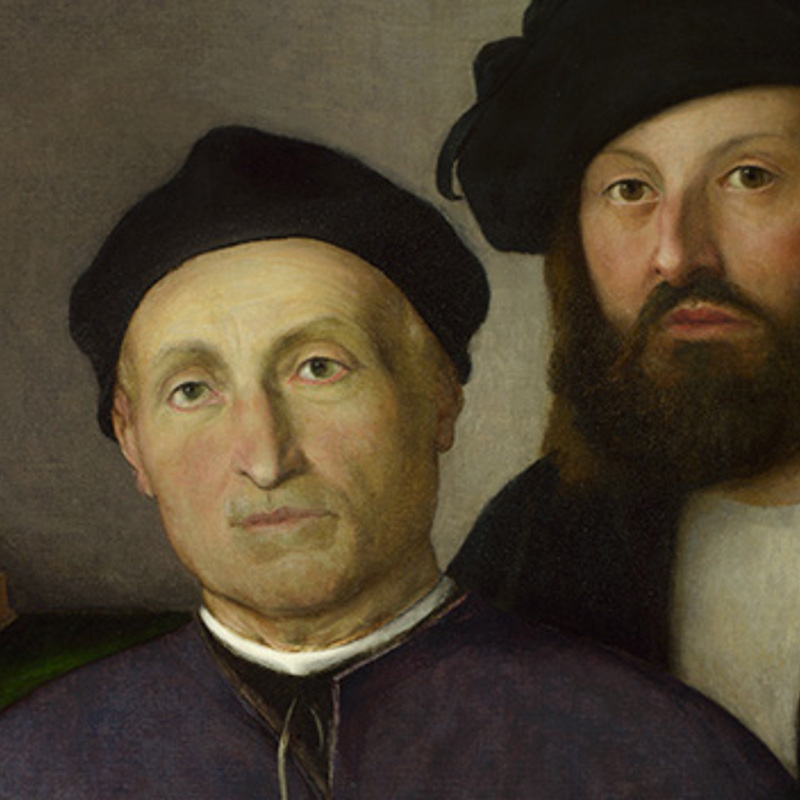
Lorenzo Lotto's 'The Physician Giovanni Agostino della Torre and his son, Niccolò'
Picture of the month June 2026
For Father's Day 2026, writer Tom Hodgkinson reflects on this 500-year-old painting of a father and son
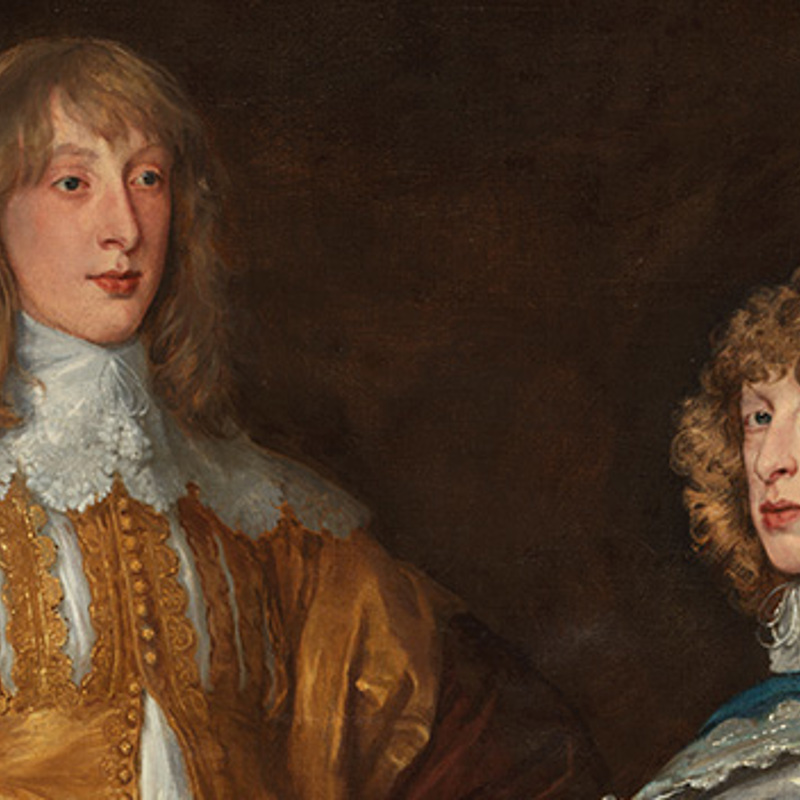
Anthony van Dyck's 'Lord John Stuart and his Brother, Lord Bernard Stuart'
Picture of the month May 2026
Can fashion predict a civil war? Fashion historian Amy Eloise Trend takes a closer look at this rich portrait to learn more about Britain in the 1600s

George Stubbs's 'Whistlejacket'
Picture of the month April 2026
Is this the most famous horse in art? Alice Shirley takes a closer look at Stubbs's magnificent life-size portrait

Catharina van Hemessen's 'Portrait of a Woman'
Picture of the month March 2026
For International Women’s Day 2026, we sat down with curator Dr Christine Seidel to find out more about this incredible 16th-century artist

Turner's 'The Parting of Hero and Leander'
Picture of the month February 2026
Dr Rebecca Marks delves into this dramatic picture’s links to 'Wuthering Heights' by Emily Brontë

Rembrandt's 'Self Portrait at the Age of 63'
Picture of the month January 2026
As we step into the new year, we look at mindful ways to enjoy Rembrandt’s timeless self portrait
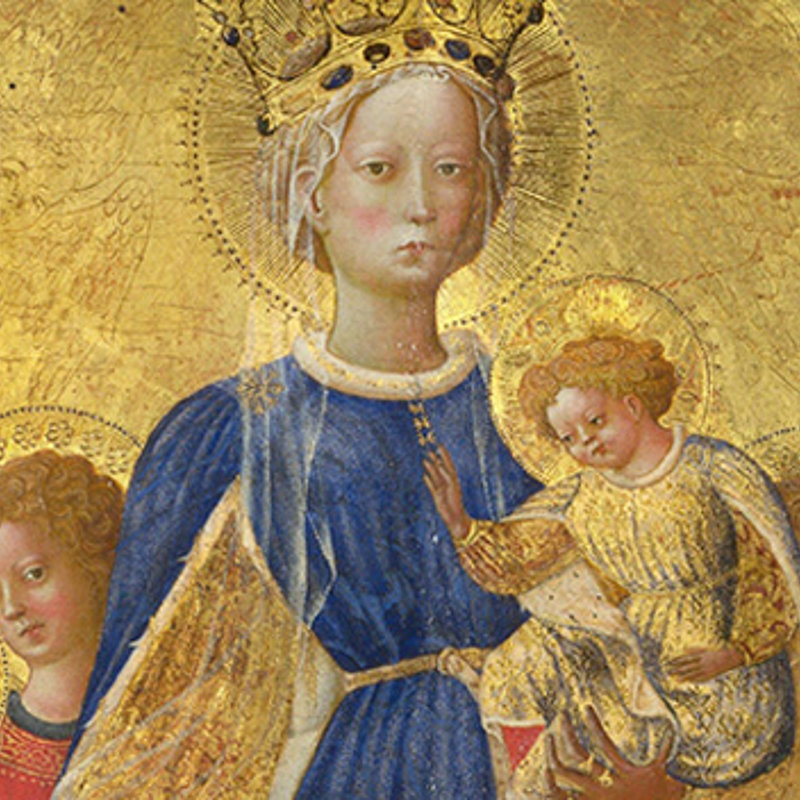
Bartolomeo’s 'The Virgin and Child with Six Angels and Two Cherubim'
Picture of the month December 2025
This regal picture of the Virgin Mary would have looked out of place on an altar. So why did Francesco d’Antonio di Bartolomeo paint her like this?
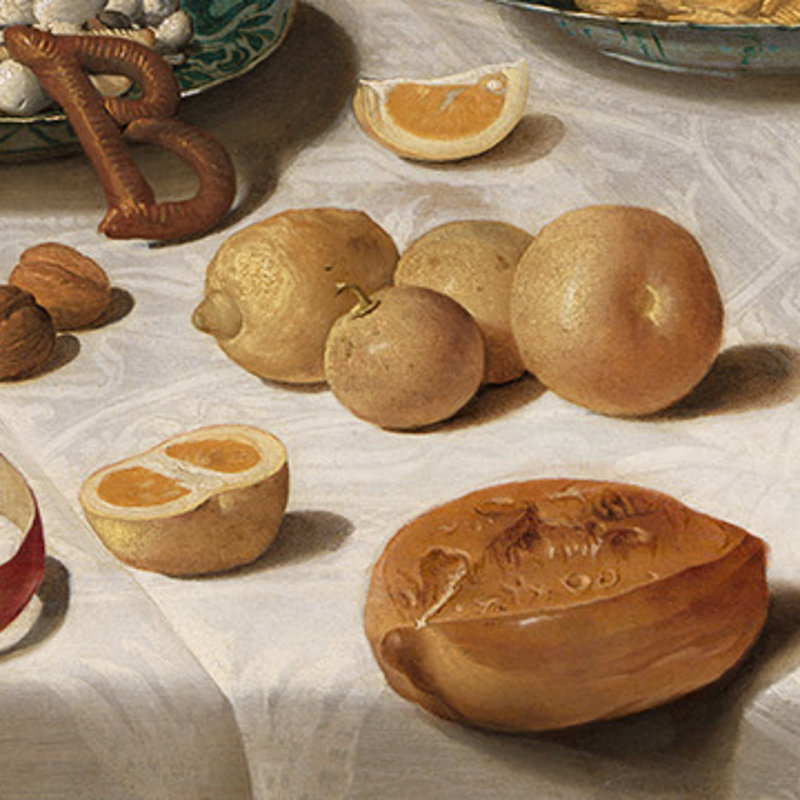
Floris van Dijck’s 'A Banquet Still Life'
Picture of the month November 2025
To mark Legacy Awareness Month, meet the teacher who changed our collection forever
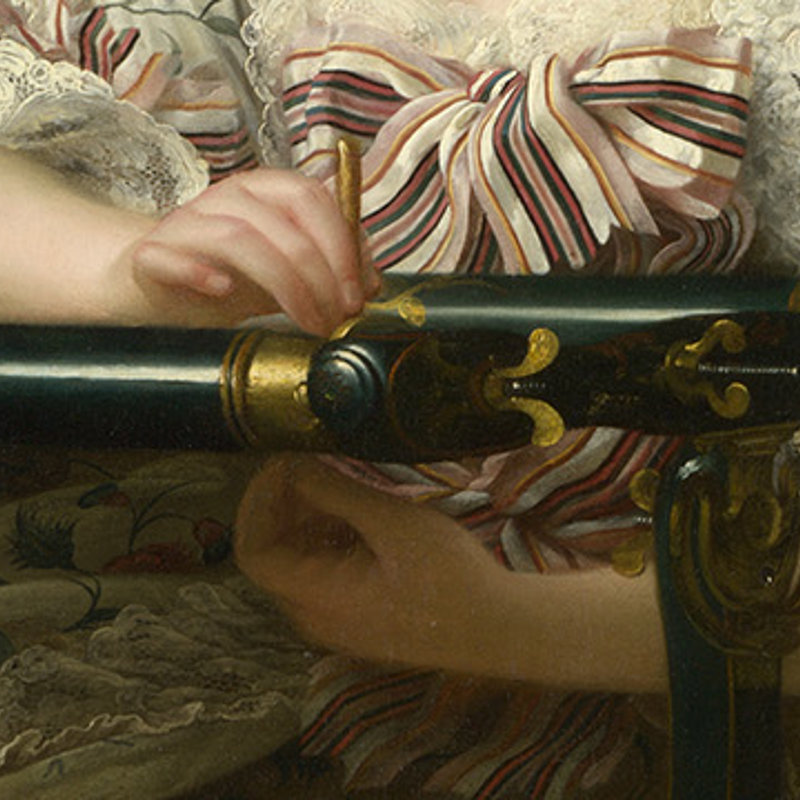
François-Hubert Drouais’ 'Madame de Pompadour at her Tambour Frame'
Picture of the month October 2025
Amber Butchart asks, what can a dress tell us about politics 300 years ago?
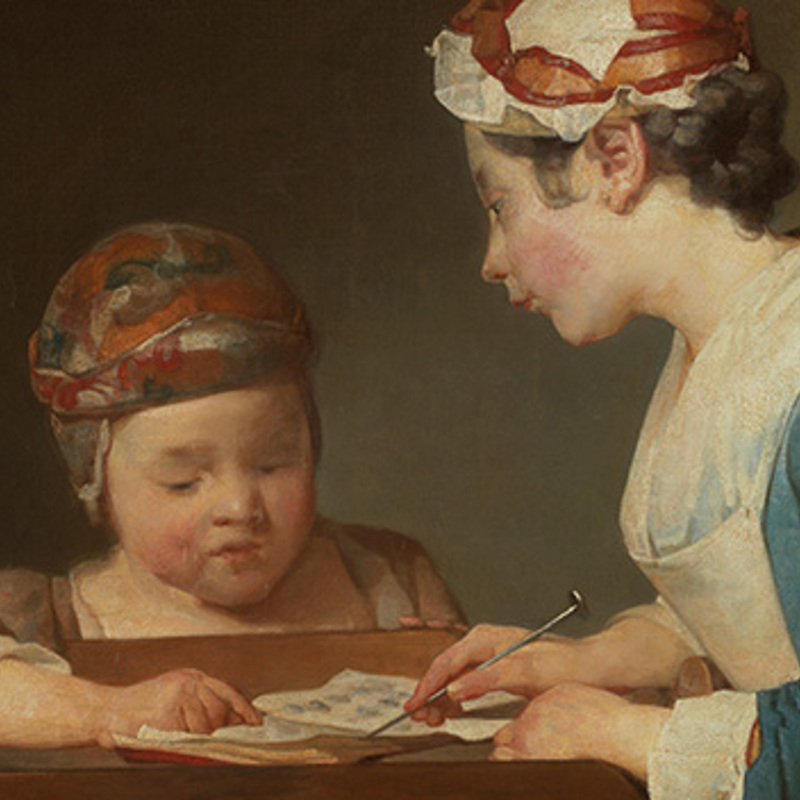
Jean-Siméon Chardin's 'The Young Schoolmistress'
Picture of the month September 2025
As many head back to the classroom this month, delve into what a school lesson might have looked like in 18th-century France
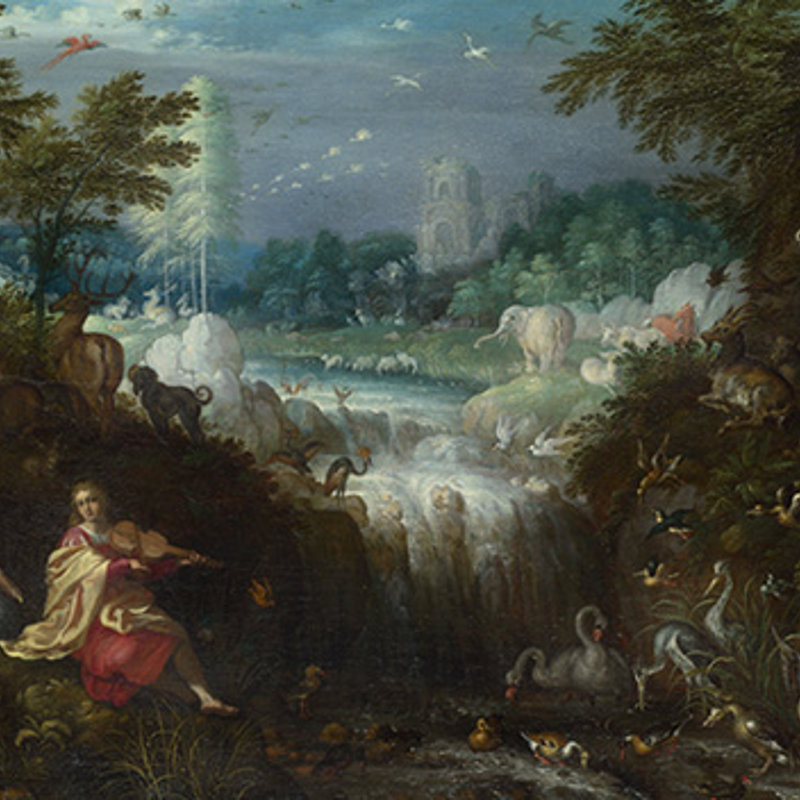
Savery's 'Orpheus'
Picture of the month August 2025
Be transported to this unearthly scene with our 5-minute meditation
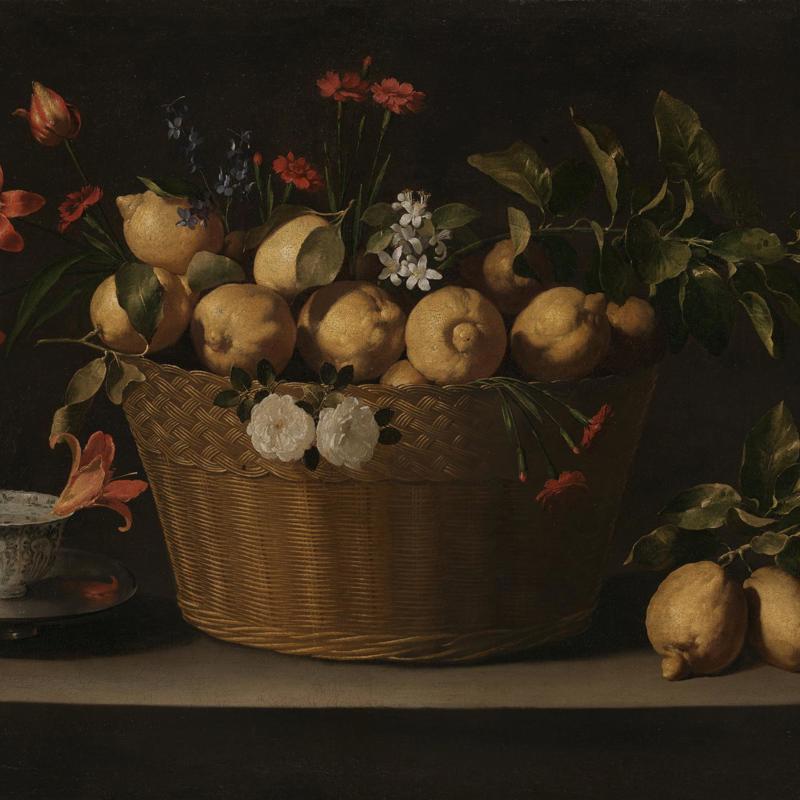
Juan de Zurbarán's 'Still Life with Lemons in a Wicker Basket'
Picture of the month July 2025
Explore this vivid still life and the talented young artist who painted it
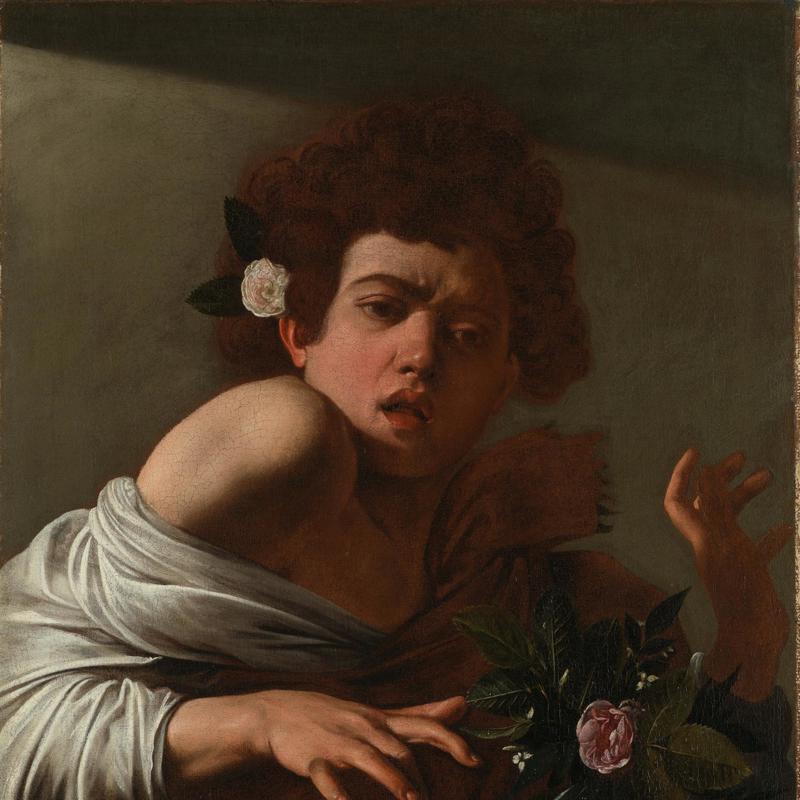
Caravaggio’s ‘Boy bitten by a Lizard’
Picture of the month June 2025
Through a real-life recreation of Caravaggio’s ‘Boy bitten by a Lizard’, writer and performer Holly James Johnston explores some of the different interpretations this intriguing painting has inspired
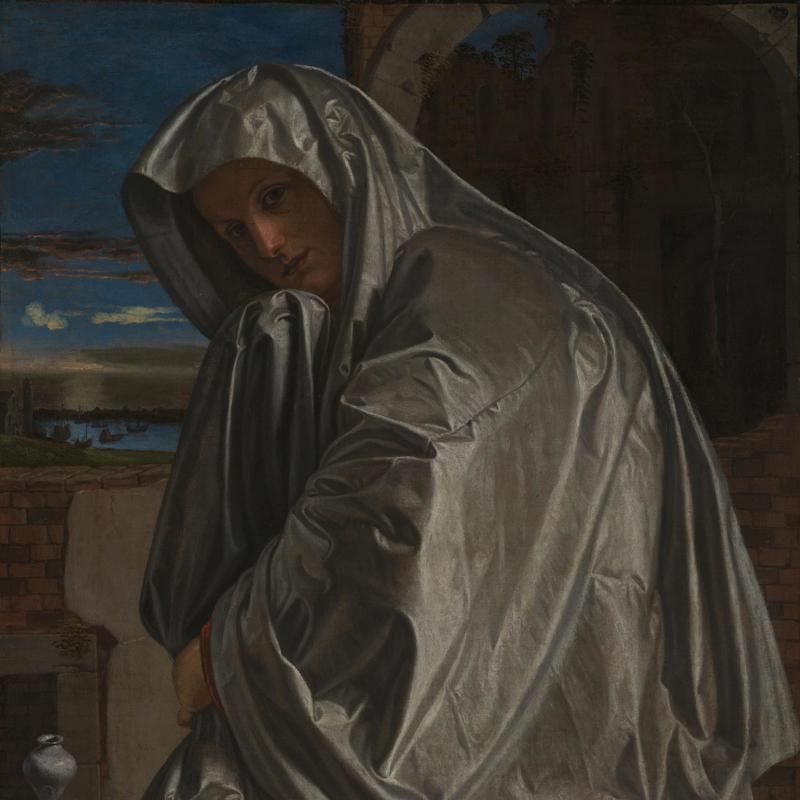
Savoldo's 'Mary Magdalene'
Picture of the month April 2025
Look beyond the dazzling silver shawl to discover the identity of this enigmatic woman

Monet's 'Bathers at La Grenouillère'
Picture of the month February 2025
What do schoolchildren think of Monet’s ‘Bathers at La Grenouillère’, and what do they want to know?
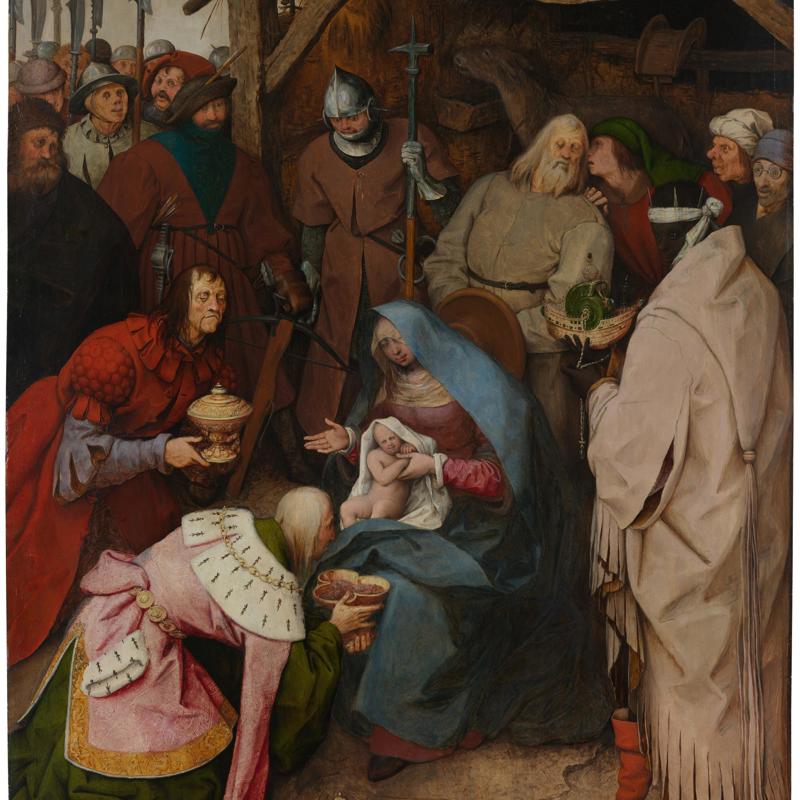
Pieter Bruegel the Elder's 'The Adoration of the Kings'
Picture of the month January 2025
Delve into this sacred moment, filled with curious characters
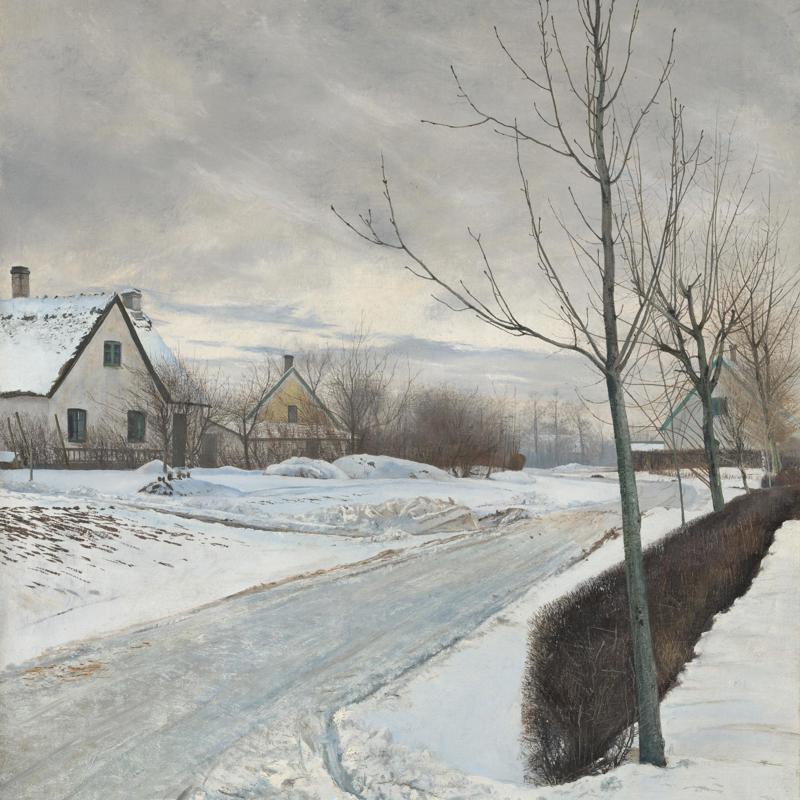
Ring's 'Road in the Village of Baldersbrønde (Winter Day)'
Picture of the month December 2024
Step into a snowy scene with Gallery Educator Bethan Durie
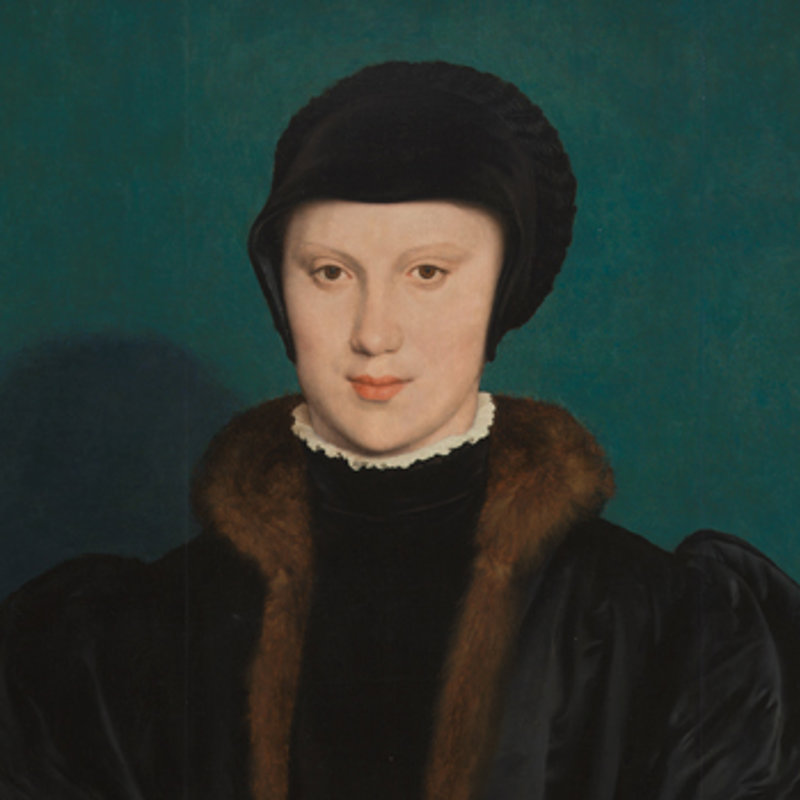
Holbein's 'Christina of Denmark, Duchess of Milan'
Picture of the month November 2024
Researcher Hannah Rogers travels back in time to our 'Picture of the month' from November 1943, and tells the story of how the series started during the Second World War
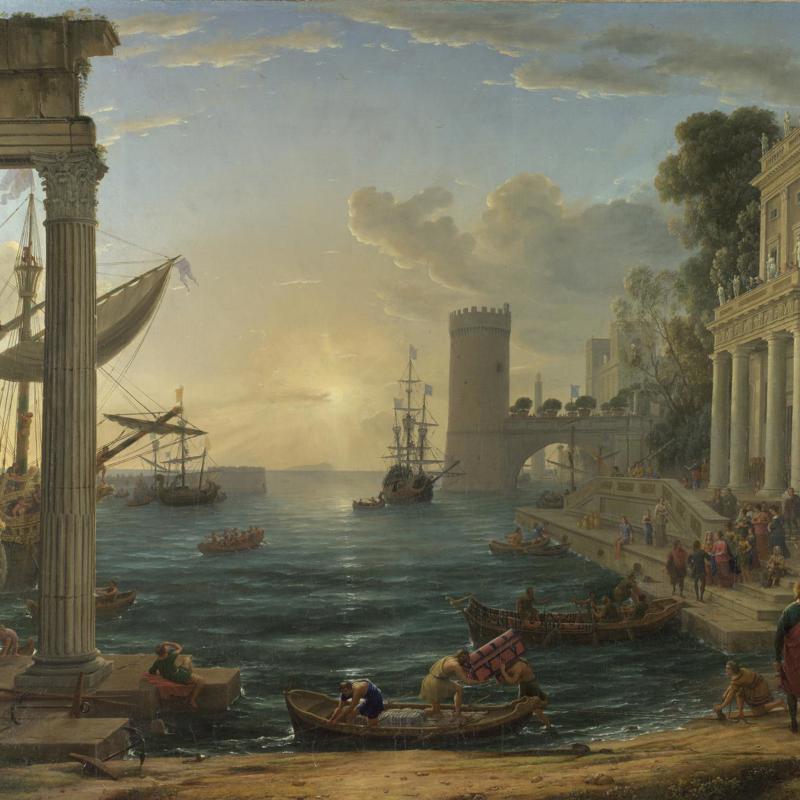
Claude's 'Seaport with the Embarkation of the Queen of Sheba'
Picture of the month October 2024
Melissa Baksh shares her thoughts on depictions of the Queen of Sheba in artworks throughout history