

Continue your mindful look at art with our short guided meditations. Each focuses on a different painting in the Gallery, from Constable to Van Gogh.

Rembrandt's 'Self Portrait at the Age of 63'
Picture of the month January 2026
As we step into the new year, we look at mindful ways to enjoy Rembrandt’s timeless self portrait
Art is good for you. Growing research shows that looking at a painting can improve your mood. But how can you get the most from the experience?
For January’s ‘Picture of the month’, we take a closer look at Rembrandt's 'Self Portrait at the Age of 63’ with Gallery Educator, Karly Allen. We'll share how mindfulness approaches can help us connect with this thoughtful painting.
Be drawn in by Rembrandt’s face
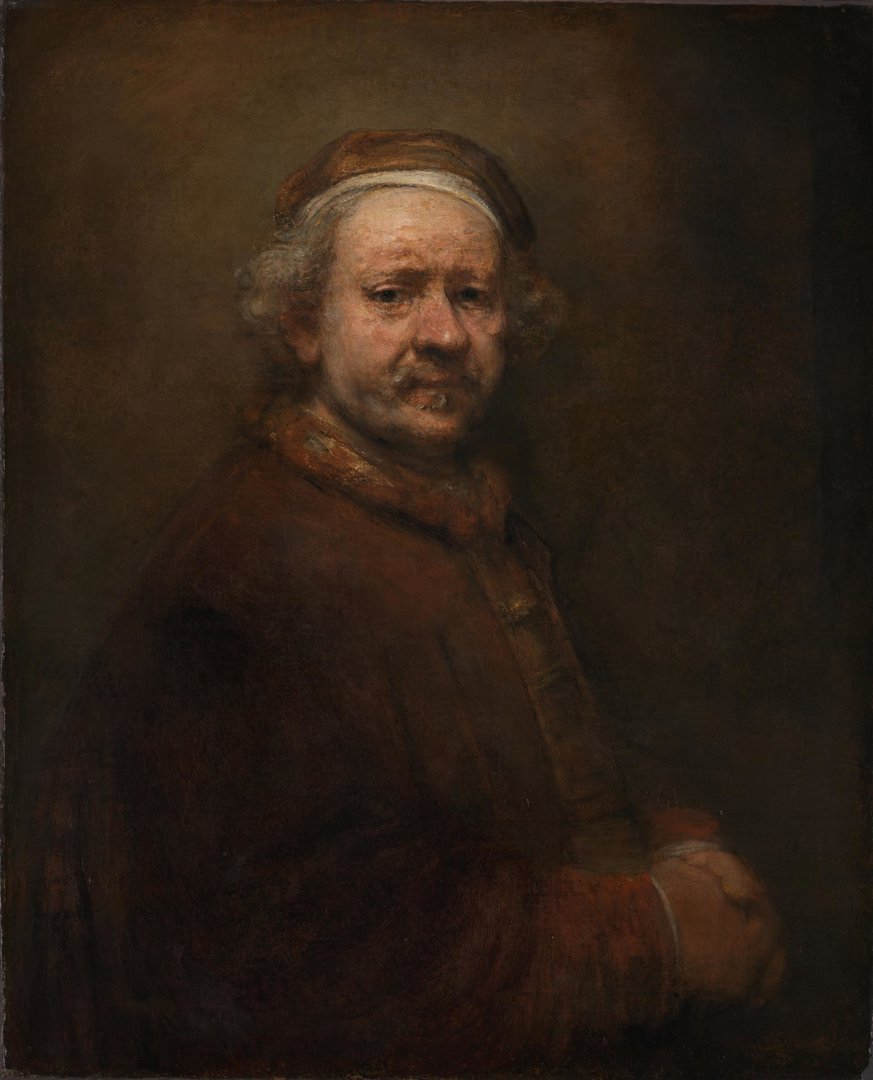
Rembrandt is famous for his realism and is celebrated for his ability to show different textures with striking accuracy.
This is clear in how he paints his own face. He makes it the focal point of the painting, shining out from the dark backdrop.
Take a moment to admire the different qualities of his skin, the light on his forehead, the softness around his eyes. He has achieved a sense of depth and presence by applying paint of varying thickness.
Take a closer look at the rest of his body
Looking at a painting can activate a part of the brain related to movement, giving us a greater awareness of our own physical presence.
Move your gaze from Rembrandt’s face and allow his chest and arms to emerge from the shadows. Notice how the fabric of his clothes is made to appear heavy through the clever use of light and dark, such as on his sleeve.
Although it’s not the first thing we notice, his outfit has a special meaning as it belongs to an earlier era than the one Rembrandt was living in. In fact, it’s the type of jacket that we see in artists’ portraits from the 1400s, long before Rembrandt painted this in 1669.
He chose to paint himself wearing it to show his connection to the artists who came before him.
Keep looking down the painting until you get to his hands, clasped close to his waist. Perhaps think about how you’re sitting now.
Step back and admire the painting as a whole
Art can give us a sense of purpose. This was especially the case for Rembrandt.
He painted around 80 self portraits during his career, with his first being when he was 22-23 years old and his last, the one we are looking at now, when he was 63. Despite personal problems in later life, he remained dedicated to creativity.
In fact, Rembrandt’s late-career paintings are often admired as his finest: the accomplished artist at the height of his powers. Look at the painting as a whole. Notice how confident it feels.
Perhaps you can sense his determination to keep pushing forward with his art no matter what. Even with decades of work under his belt, he approached this painting with a sense of experimentation and curiosity.
Take a moment to think about how Rembrandt’s portrait shines a light on our own sense of purpose. What can it teach us at the start of the year, when we’re looking ahead and making plans?
Think about the work you can’t see
It’s easy to think that a genius like Rembrandt might have got his work as he would like the first time but this isn’t the case. Look closely at his hat, which was once much taller and appears to have been entirely white. Using broad strokes of background paint, he made it smaller to fit snugly on his head and coloured the upper part brown.
Return to his folded hands. Although we can’t see it now, X-rays reveal he initially showed himself holding a brush, then changed his mind. Think about why he might have done this and what that tells us about which parts of the painting he seems to want us to focus on. Perhaps meditate on the desire to keep improving that underlines his decisions to make changes.
Enjoy a sense of connection across time
The shared glance between Rembrandt and us offers a moment of connection across the years. It’s been part of the National Gallery’s collection since 1851, allowing visitors to enjoy it for over 170 years. Before this, it was in private collections in people’s homes.
How might the hundreds of millions of people who have looked at it as you are now understand its details? Would his smile have seemed knowing or determined? His eyes wise or sad? For many, the painting is deeply self-reflective, a meditation on the passing of time and life’s ups and downs. For others, it highlights Rembrandt’s brilliance and continued fascination with the challenges of his art. Perhaps take a moment to think about how the painting feels to you.
We can’t be certain what he wanted to say with this late self portrait. It is a mystery that has sparked conversation ever since it first arrived at the Gallery.
Why not carry on the discussion by sharing this page with a friend? You’ll be welcoming them into a community of art lovers that stretches across the centuries.
Make time for art
Take a final moment with Rembrandt’s ‘Self Portrait at the Age of 63’. Let the stillness, honesty and power of this timeless portrait settle with you.
If you would like to spend some more time with Rembrandt’s art, why not enjoy his ‘Self Portrait at the Age of 34’?
And if you enjoyed this mindful look at one of the National Gallery’s paintings, why not set up a daily reminder to spend a few minutes with a painting from our collection? If you’re not sure where to start, visit our collection highlights. If you have a specific painting, movement or even subject in mind, you can search our entire collection. It’s a great way to brighten your mind and lift your heart whenever you need it.
Whether you're viewing them online or in-person, the paintings in the National Gallery’s collection offer you the chance to reflect and enjoy a mindful moment.
Contributor biography
This article was written with guidance from Karly Allen. Karly has 25 years' experience of designing and facilitating art engagement programmes for museum collections, with a focus on the art of close looking.
Karly enriches her teaching with her training as a mindfulness teacher and drawing practitioner. Through her work with Limina Collective, she contributes to the emerging international field of mindfulness in museums.
Supporting research
Museums Association, 28.10.25
Art Fund research proves that viewing art is good for the human body
Artsy.net, 17.07.25
Four reasons why looking at art is good for you
Journal of Positive Psychology, 15.04.2025
Trupp, M. D. et al. (2025) ‘The impact of viewing art on well-being—a systematic review of the evidence base and suggested mechanisms’
Research Study, Frontiers in Psychology, 30.06.2022
Can a Brief Interaction with Online, Digital Art improve wellbeing?

More like this
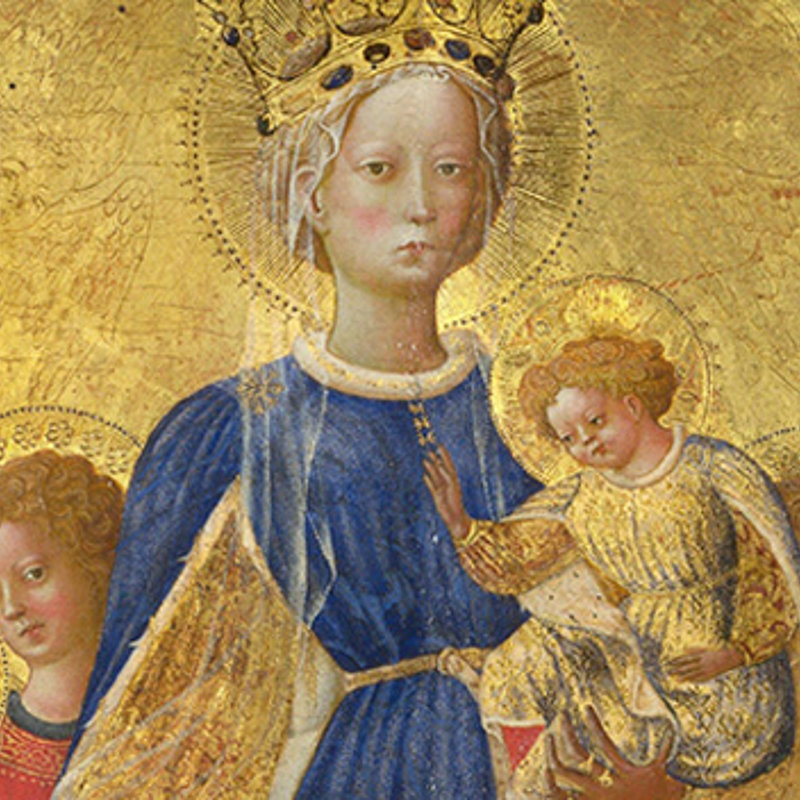
Bartolomeo’s 'The Virgin and Child with Six Angels and Two Cherubim'
Picture of the month December 2025
This regal picture of the Virgin Mary would have looked out of place on an altar. So why did Francesco d’Antonio di Bartolomeo paint her like this?
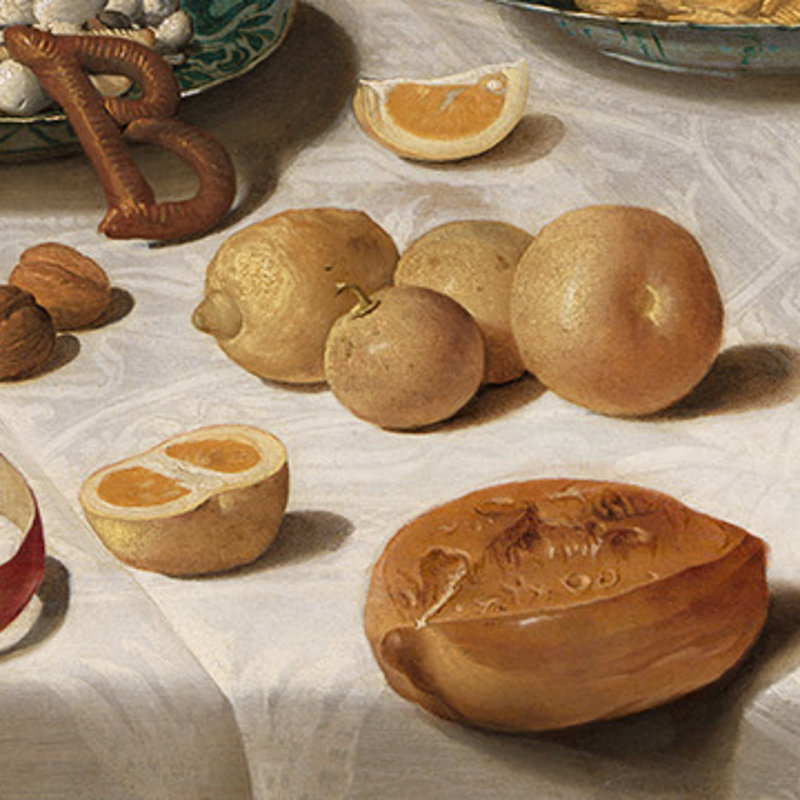
Floris van Dijck’s 'A Banquet Still Life'
Picture of the month November 2025
To mark Legacy Awareness Month, meet the teacher who changed our collection forever
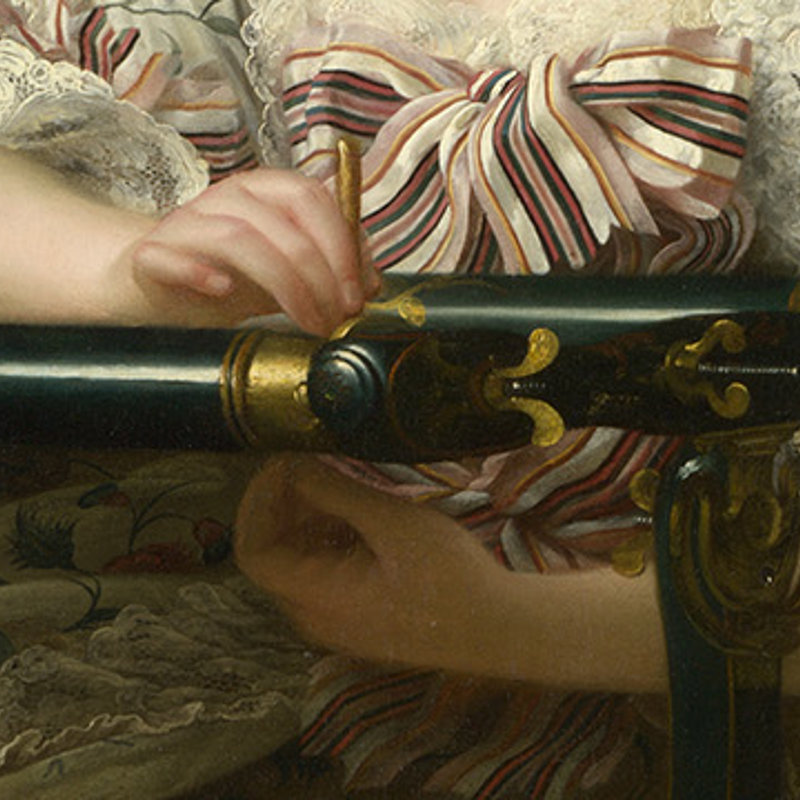
François-Hubert Drouais’ 'Madame de Pompadour at her Tambour Frame'
Picture of the month October 2025
Amber Butchart asks, what can a dress tell us about politics 300 years ago?
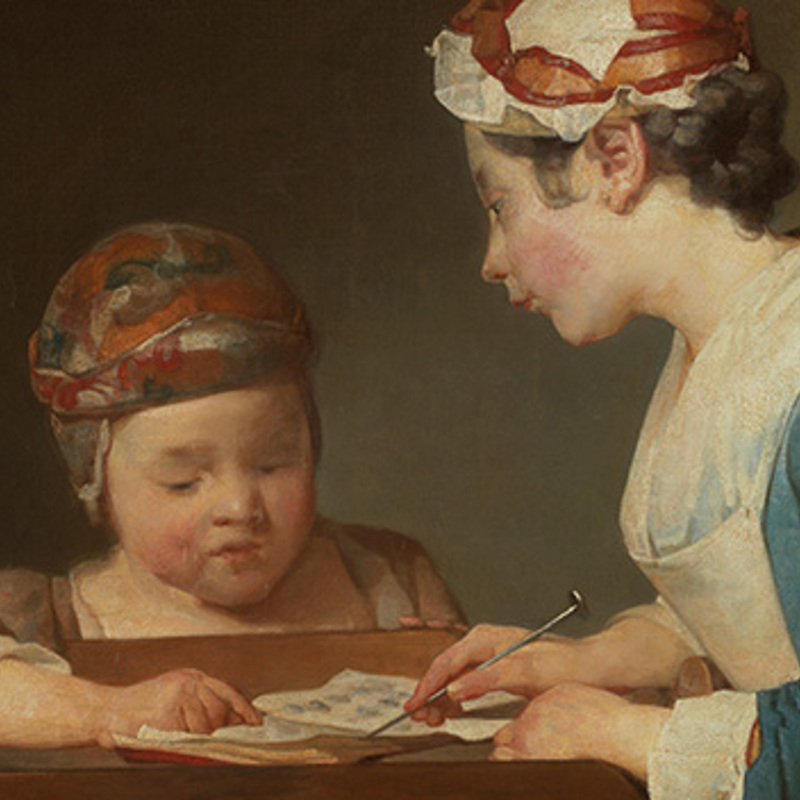
Jean-Siméon Chardin's 'The Young Schoolmistress'
Picture of the month September 2025
As many head back to the classroom this month, delve into what a school lesson might have looked like in 18th-century France
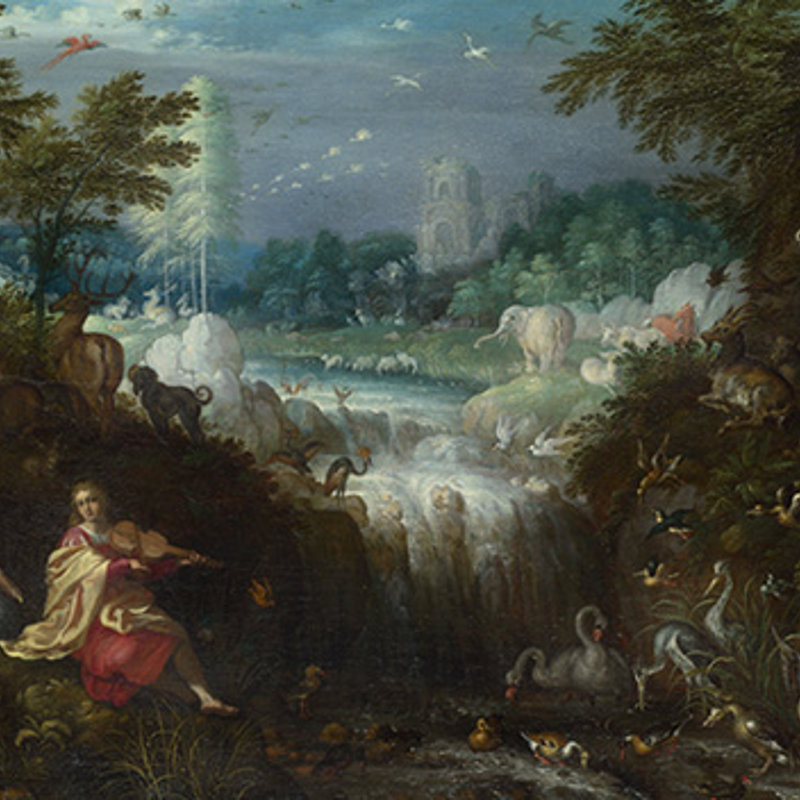
Savery's 'Orpheus'
Picture of the month August 2025
Be transported to this unearthly scene with our 5-minute meditation
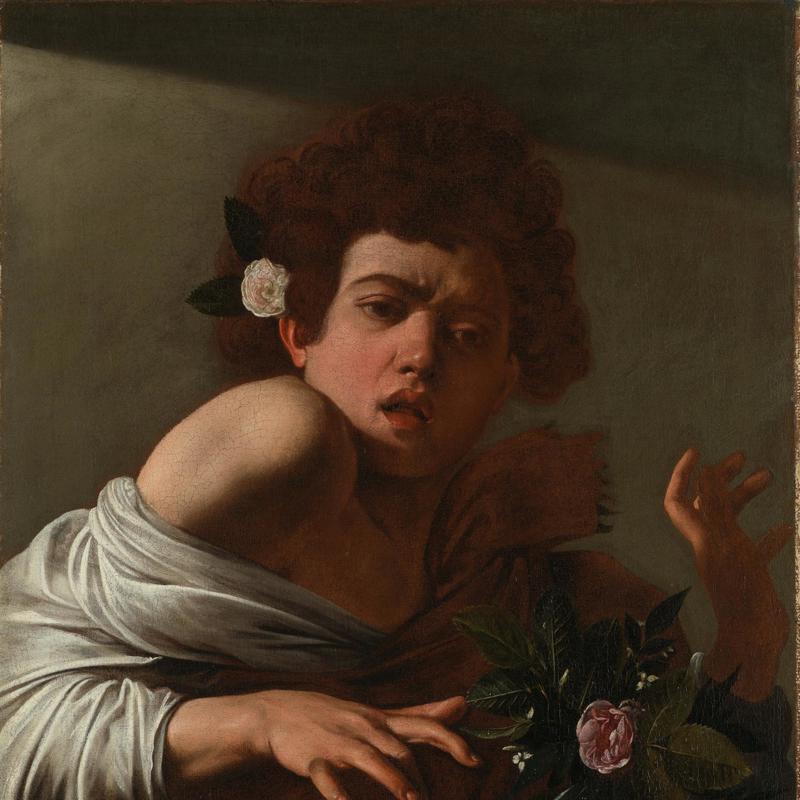
Caravaggio’s ‘Boy bitten by a Lizard’
Picture of the month June 2025
Through a real-life recreation of Caravaggio’s ‘Boy bitten by a Lizard’, writer and performer Holly James Johnston explores some of the different interpretations this intriguing painting has inspired
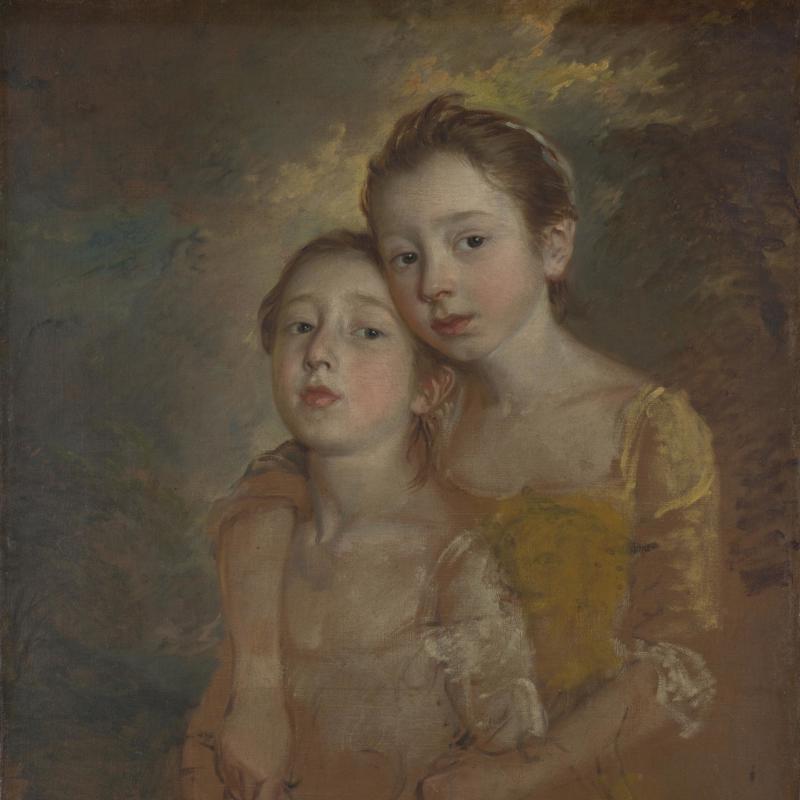
Gainsborough's 'The Painter's Daughters with a Cat'
Picture of the Month May 2025
Discover how Thomas Gainsborough honed his craft through this portrait of his beloved daughters
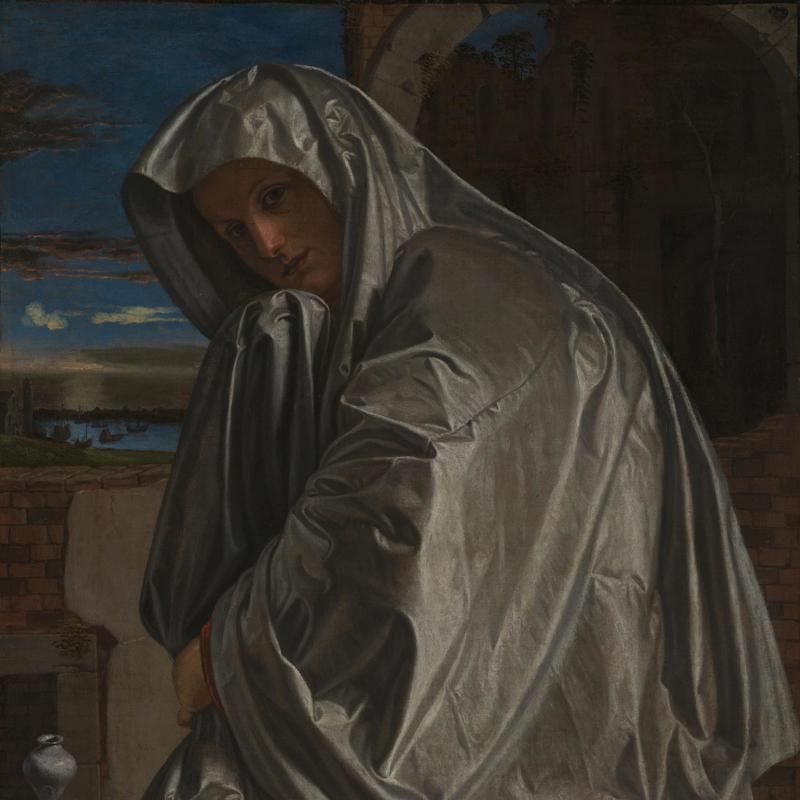
Savoldo's 'Mary Magdalene'
Picture of the month April 2025
Look beyond the dazzling silver shawl to discover the identity of this enigmatic woman
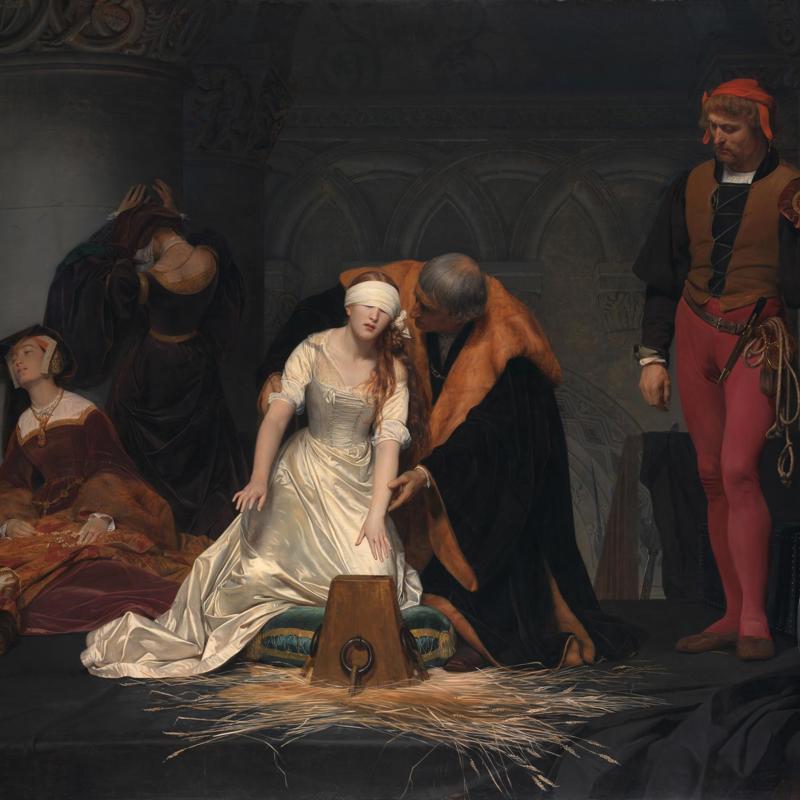
Delaroche's 'The Execution of Lady Jane Grey'
Picture of the month March 2025
What links a female sculptor to this popular scene from British history?
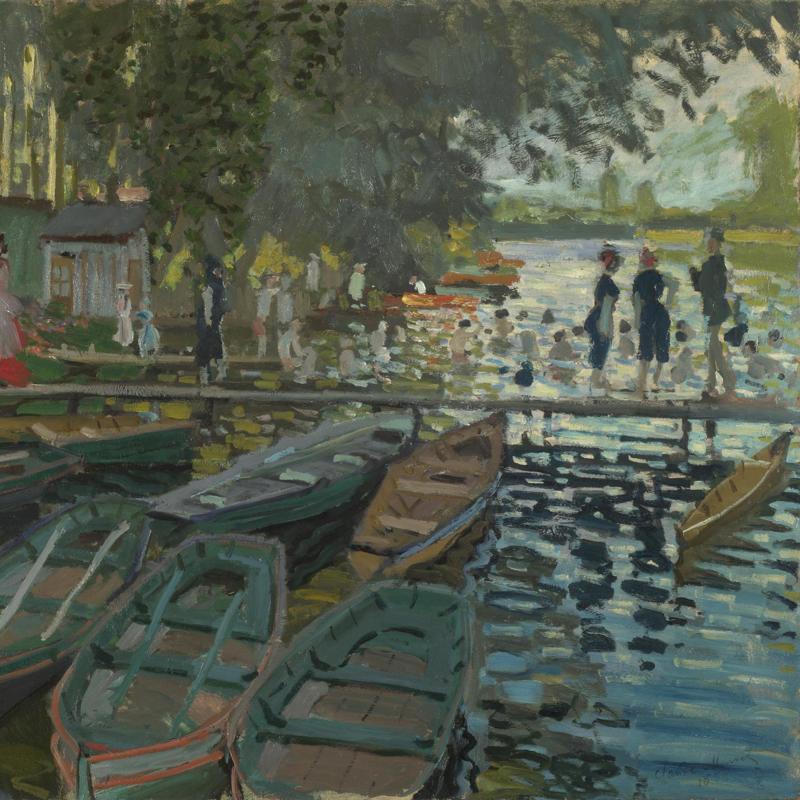
Monet's 'Bathers at La Grenouillère'
Picture of the month February 2025
What do schoolchildren think of Monet’s ‘Bathers at La Grenouillère’, and what do they want to know?
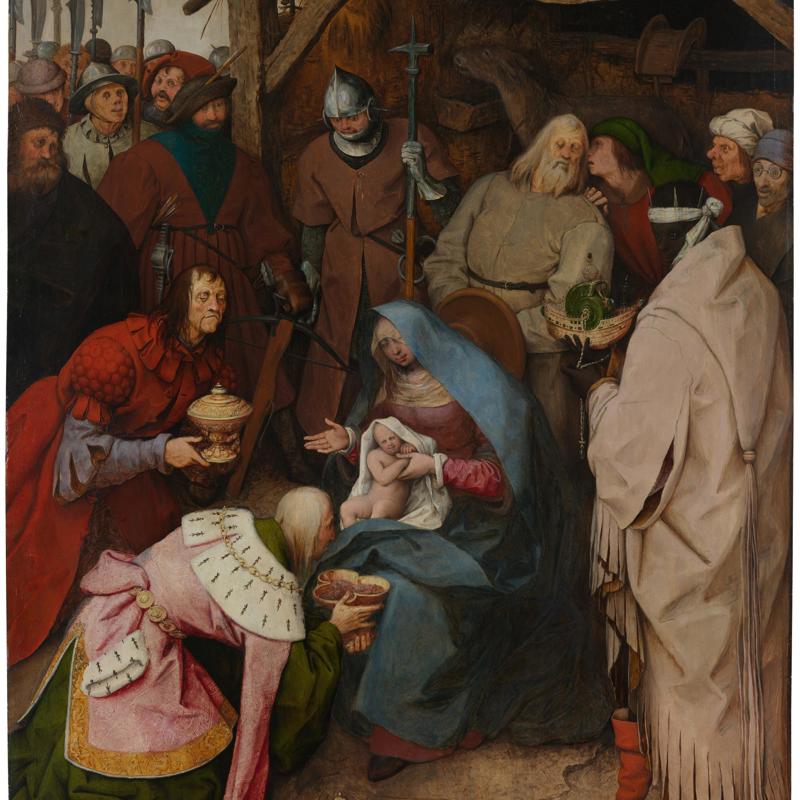
Pieter Bruegel the Elder's 'The Adoration of the Kings'
Picture of the month January 2025
Delve into this sacred moment, filled with curious characters
Ring's 'Road in the Village of Baldersbrønde (Winter Day)'
Picture of the month December 2024
Step into a snowy scene with Gallery Educator Bethan Durie
Holbein's 'Christina of Denmark, Duchess of Milan'
Picture of the month November 2024
Researcher Hannah Rogers travels back in time to our 'Picture of the month' from November 1943, and tells the story of how the series started during the Second World War
Claude's 'Seaport with the Embarkation of the Queen of Sheba'
Picture of the month October 2024
Melissa Baksh shares her thoughts on depictions of the Queen of Sheba in artworks throughout history