Initial Teacher Education
Tailored sessions and cultural placements for trainee teachers

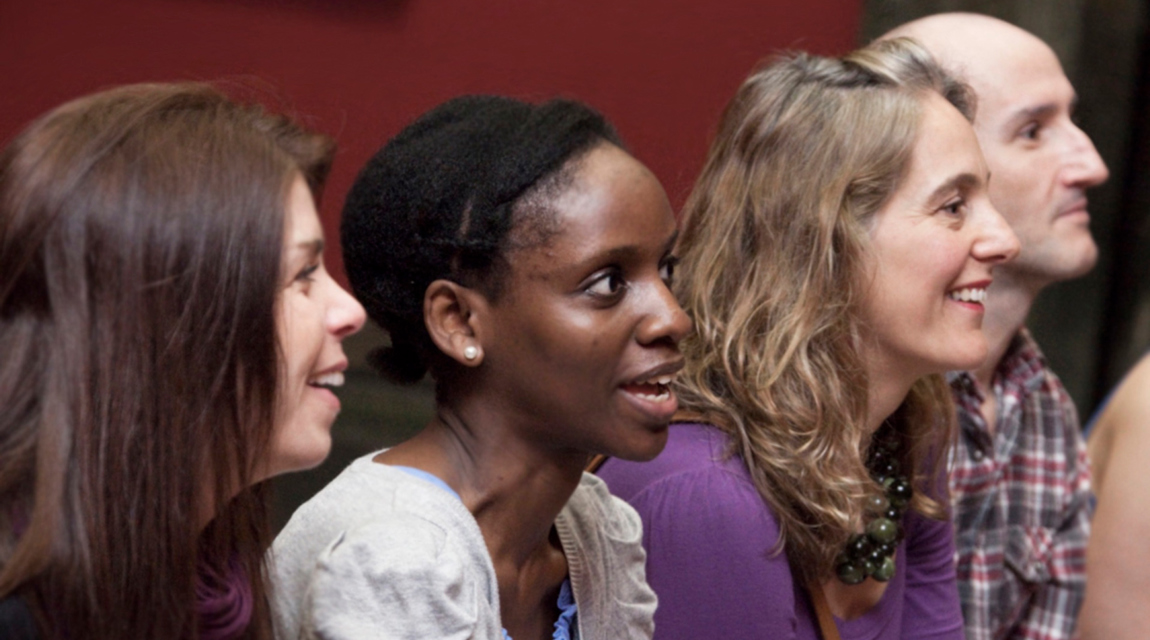
Tailored sessions and cultural placements for trainee teachers
We offer tailored sessions to trainee teachers, as well as one-week cultural placements for trainee teachers based in London and across the regions.
Find out more and book onto one of our available sessions below.
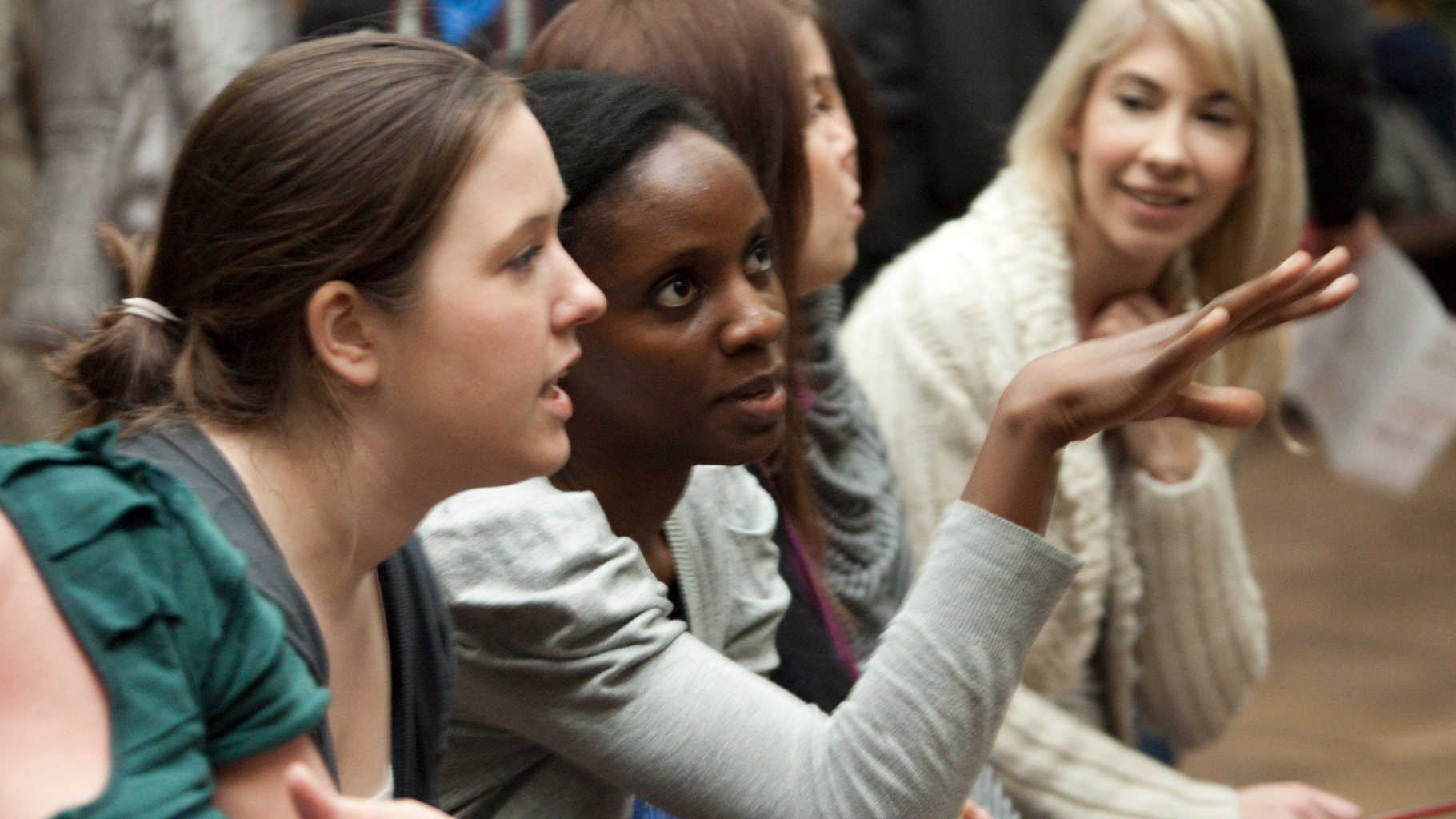
Available to trainee teachers whether they are training as part of a higher education course or in school-based training
These sessions are held in the Gallery, or online over Zoom (or similar).
They can be tailored to meet specific needs but generally:
Cost: Free
Time: Choose from 90 mins, half-day or full day
Book: To discuss your requirements and to make a booking, contact us on 020 7747 5890 or email [email protected]
Available to trainee primary teachers based in London and across the regions
These five-day cultural placements are offered in partnership with higher education providers, or school-based training providers.
Participants either spend five days at the National Gallery or split their time between the National Gallery and a regional partner gallery.
The placement gives participants the opportunity to:
Cost: Free
Time: 5 days
Book: To discuss your requirements and to make a booking, contact us on 020 7747 5890 or email [email protected]